

Bisphenol A, commonly known as BPA, is one of the most widely produced chemicals in the world, with over 6 million pounds manufactured every year. While it is a fundamental building block of modern plastics, it has become a subject of intense scientific scrutiny because it acts as an endocrine disruptor—a substance that can interfere with the body’s natural hormones.
Where Does BPA Come From?
Most people are exposed to BPA through their daily diet. It is primarily used to create two types of materials:
- Polycarbonate Plastics: These are clear, tough plastics used in water pipes, drinking containers, toys, and eyeglass lenses.
- Epoxy Resins: These act as protective liners inside metal food and beverage cans to prevent the metal from rusting.
BPA does not stay trapped in these materials; it has been shown to “leach” or migrate into the food and liquid we consume. This process is often accelerated by high temperatures, such as autoclaving (pressure-steaming) plastic flasks or heating food cans during the preservation process.
Other less common sources of exposure include dental sealants used to prevent cavities and thermal paper (like store receipts), as well as environmental sources like indoor air and house dust.
How the Body Processes BPA
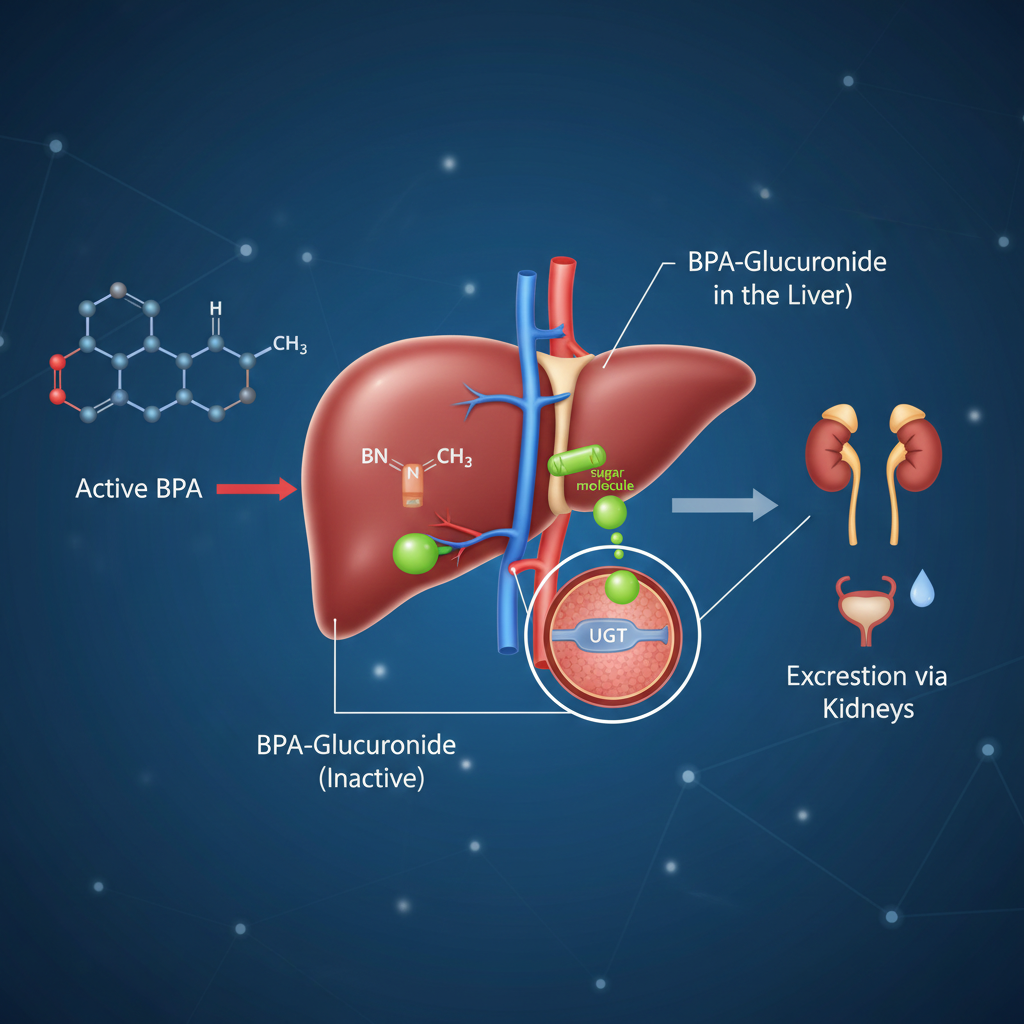
When we swallow BPA, it enters the bloodstream and travels to the liver. In adults, the liver is generally very efficient at a process called conjugation. It attaches a sugar molecule to the BPA, creating “BPA-glucuronide,” which is biologically inactive and easily flushed out through urine.
However, there is a critical distinction between “Total BPA” (the inactive version) and “Unconjugated BPA” (the free, active version). Only free BPA can bind to hormone receptors and cause biological changes.
The Vulnerability of Children
A major concern in medical science is that “children are not little adults”. Developing fetuses and newborns have a very limited ability to detoxify BPA. Because their livers are not yet fully functional, they cannot easily deactivate the chemical, leading to higher levels of active BPA in their systems during windows of extreme sensitivity.
Potential Health Impacts
Scientists have discovered that BPA can stimulate cellular responses at incredibly low concentrations—doses as small as 1 picomolar. For context, “low doses” of BPA are defined as anything below $50~mg/kg$ per day. Over 150 animal studies have linked low-dose exposure to various health concerns, many of which mirror modern human health trends:
- Reproductive Issues: In humans, higher levels of BPA in the blood have been associated with polycystic ovarian syndrome (PCOS), recurrent miscarriages, and lower fertility markers in men.
- Developmental Risks: Exposure during early development may be linked to abnormalities in the genital tract and altered organization of the mammary glands (which can increase cancer risk later in life).
- Chronic Conditions: There are ongoing investigations into how BPA exposure might relate to rising rates of obesity and breast cancer.
Summary of BPA Levels in Humans
Because BPA exposure is so widespread, it can be detected in the majority of people living in developed countries.
| Location of BPA | Typical Findings | Importance |
| Urine | Found in 95% of people | Shows how much total BPA the body is trying to eliminate. |
| Blood (Serum) | $0.3$ to $4.4~ng/ml$ | Represents the active BPA circulating through the body. |
| Amniotic Fluid | $1$ to $8.3~ng/ml$ | Indicates that the fetus is directly exposed during development. |
| Breast Milk | Found in 60–90% of samples | Shows a route of exposure for nursing infants. |
Conclusion
The fact that active BPA is consistently found in human blood suggests that our daily intake might be higher than previously estimated, or that the chemical is accumulating in the body over time. While our bodies work hard to clear it, the constant exposure from plastics, cans, and our environment means that many of us are in a “steady state” of exposure.
To help you minimize daily contact with this chemical, here is a practical theory on how to reduce exposure based on the scientific understanding of how BPA behaves.
How to Reduce Your BPA Exposure
Since the primary route of BPA entering the human body is through the diet, making small changes to how you handle food and beverages can significantly lower the levels of active BPA in your system.
1. Transition Away from Canned Goods
Metallic food cans are a major source because their inner epoxy resin coatings are synthesized from BPA.
- Choose Fresh or Frozen: Whenever possible, buy fresh or frozen fruits and vegetables instead of canned versions.
- Opt for Glass or Cardboard: Look for products packaged in glass jars or “Tetra Pak” cardboard cartons, which generally do not use BPA-based linings.
- Rinse Canned Food: If you must use canned goods, rinsing the food under running water may help remove some of the BPA that has leached into the liquid.
2. Change How You Use Plastics
BPA is a building block of polycarbonate plastics, and it “leaks” more easily when the plastic is stressed.
- Avoid Heat: Never microwave food in plastic containers, as high temperatures significantly increase the rate of BPA migration into your food.
- Hand Wash Plastics: Avoid putting polycarbonate containers or baby bottles in the dishwasher; the combination of high heat and harsh detergents can degrade the plastic and increase future leaching.
- Replace Old Scratched Bottles: If a plastic bottle is cloudy or has visible scratches, it is more likely to release BPA and should be recycled.
3. Be Mindful of “Paper” Exposure
Recent research has highlighted that BPA is often used as a “developer” in certain types of paper.
- Handle Receipts Less: Thermal paper used for store receipts can contain high levels of BPA that absorb through the skin. If you don’t need a receipt, decline it, or wash your hands after handling several of them.
- Virgin vs. Recycled Paper: Surprisingly, recycled paper towels and napkins can sometimes have higher BPA levels than virgin paper because of the recycled thermal receipts included in the pulp. Use cloth towels when possible.
4. Protect the Most Vulnerable
Because infants and fetuses cannot detoxify BPA as effectively as adults, extra care is warranted during pregnancy and early childhood.
- BPA-Free Bottles: Ensure that baby bottles are labeled “BPA-Free” or switch to tempered glass bottles.
- Dental Care: If you or your child are getting dental sealants, ask the dentist for products that are known to have low or no BPA leaching.
Summary Checklist for a Lower-BPA Lifestyle
- [√ ] Use glass, stainless steel, or ceramic for hot foods and liquids.
- [√ ] Eat fresh, frozen, or dried foods instead of canned.
- [√ ] Decline paper receipts when an electronic version is available.
- [√ ] Look for “BPA-Free” labels on all new plastic purchases.
By following these steps, you can decrease the “steady-state” level of BPA in your body, reducing the potential for the chemical to interfere with your natural hormonal balance.
plastic the invisible invader The Invisible Invader: The Long, Harmful Life of Plastic

3 Responses