The Earth is not just our home; it’s a complex, living system that sustains all life as we know it. From the deepest oceans to the highest mountains, every ecosystem is interconnected, forming a delicate balance that allows humanity to thrive. Yet, this balance is increasingly under threat. In this post, we explore why environmental protection is not just an ethical choice, but an existential necessity for our species.
1. Our Home is Unique and Irreplaceable
When we talk about the environment, it’s easy to get lost in abstract concepts. The reality is much more tangible. Our planet provides the very basics of life: clean air to breathe, fresh water to drink, and fertile soil to grow our food. When we degrade these systems, we jeopardize our primary life-support mechanisms.
Unlike a house we can move out of, or a car we can replace, the Earth has no backup. There is no Planet B. Every piece of plastic we throw away, every ton of carbon we emit, accumulates in a system that has limits. Protecting the environment is fundamentally about safeguarding the only habitat we have.
2. The Delicate Web of Biodiversity
Biodiversity—the variety of all living things—is often misunderstood. It’s not just about saving charismatic animals like tigers or elephants (though that is important). It is about the functioning of entire ecosystems. Every species, no matter how small, plays a role. Insects pollinate the crops we eat; fungi decompose waste, recycling nutrients back into the soil; and microscopic plankton in the ocean generate half of the world’s oxygen.
When we destroy habitats and drive species to extinction, we are essentially pulling threads out of a complex tapestry. If too many threads are removed, the whole ecosystem can collapse. This is not a hypothetical scenario; we are seeing it happen now in places like coral reefs, which are dying due to rising ocean temperatures and acidity. A collapse in marine biodiversity threatens global food security for billions of people.
3. Climate Change: The Defining Challenge of Our Time
Perhaps the most visible and urgent reason to protect our planet is climate change. The burning of fossil fuels has released greenhouse gases into the atmosphere, trapping heat and causing global temperatures to rise. This is not just about warmer summers. It is about the destabilization of global weather patterns.
We are already witnessing the consequences: more frequent and severe hurricanes, devastating wildfires, prolonged droughts, and catastrophic flooding. These events destroy homes, ruin economies, and displace communities. The cost of inaction is exponentially higher than the cost of transition. Protecting the Earth from climate change means transitioning to renewable energy, protecting our forests (which act as carbon sinks), and rethinking how we live and consume.
Conclusion: A Responsibility, Not a Choice
The evidence is clear. Protecting our planet is not just about conserving wildlife or preserving scenic views. It is about human survival, equity, and the quality of life for future generations. The challenges we face—biodiversity loss, pollution, and climate change—are daunting, but they are not insurmountable.
Every action matters. From supporting policies that favor renewable energy to making sustainable choices in our daily lives, we all have a role to play. Protecting the Earth is the most important investment we can make. It’s time we treat our planet with the respect and care it deserves. The future depends on it.
Visual Journey of Our Planet
Here is a visual sequence illustrating the beauty we must protect, the crisis we face, and the future we must build.
Image 1: The Pristine Ideal
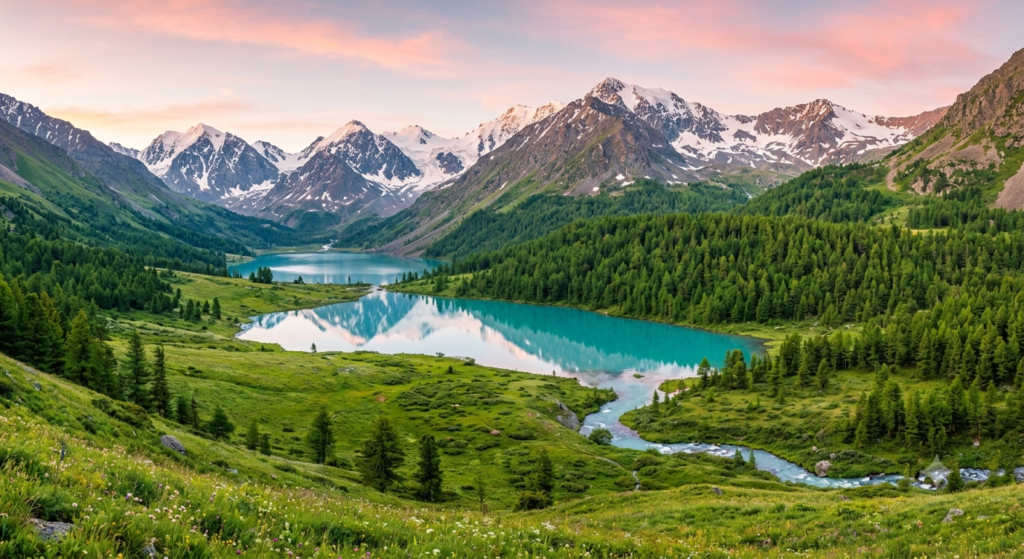
To understand why protection matters, we must first appreciate what is at stake. The first image captures the sheer, untouched beauty of the natural world—a pristine mountain ecosystem. This is the idealized environment that we strive to preserve, characterized by biodiversity and stability.
Image 2: The Encroaching Crisis
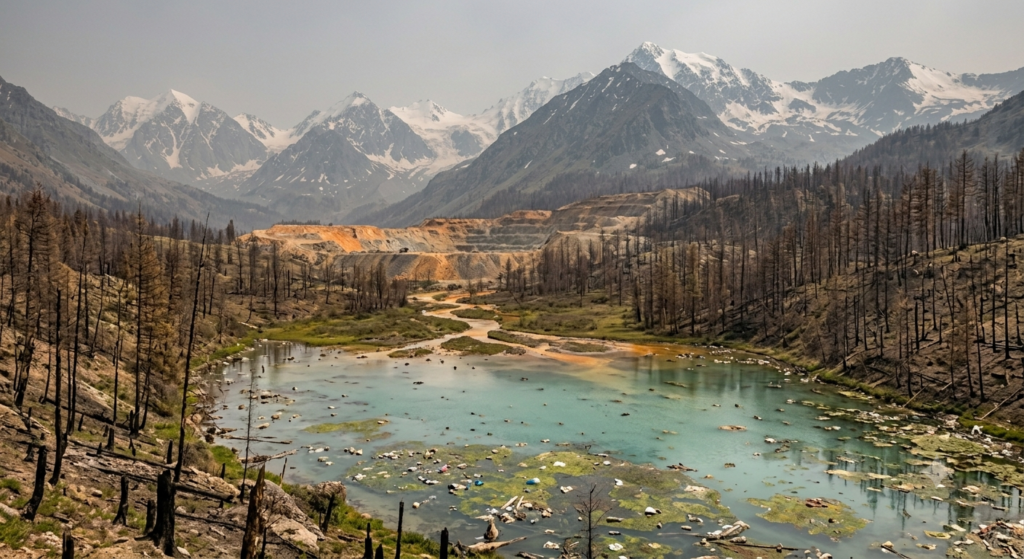
The second image provides a stark, unsettling contrast to the first. It depicts the immediate impact of human negligence: environmental destruction. To create a visual continuity, we reference the location established in the pristine sunrise (Image 1), but visualize it under assault.
The scene is no longer pristine. Wildfires have ravaged the slopes we saw in Image 1, leaving charred remains. A mine scars the landscape, and the once-clear glacial runoff is murky and polluted. The sky is choked with smog. This image visualizes the cost of environmental neglect and why we must change course.
Image 3: The Sustainable Balance
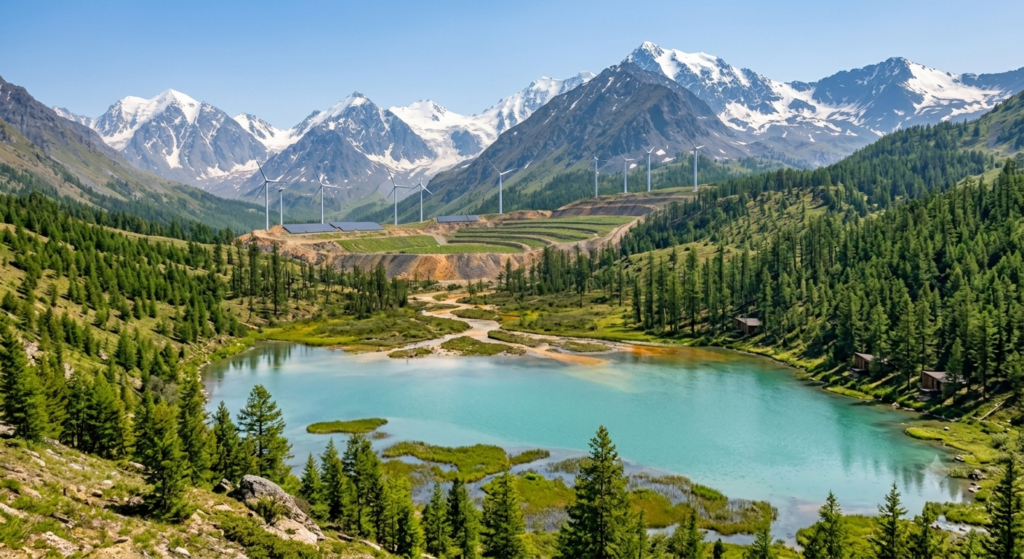
The final image offers a path forward—a vision of hope and sustainable coexistence. It is not a return to the untouched wilderness of Image 1, nor is it acceptance of the destruction in Image 2. Instead, it shows human ingenuity working with nature, restoring the specific landscape that was previously damaged.
The damaged mountain slopes are being reforested. Clean energy technology—the wind turbines on the ridge and solar panels—is integrated thoughtfully into the landscape. The lake is clear again, filtered by restored wetlands. This image illustrates that we have the tools and the power to repair the damage (shown in Image 2) and create a sustainable, thriving future where humanity and the environment prosper together.
know more gym supplimentsGym Supplements: Do You Really Need Them? (Scientific Study Analysis)